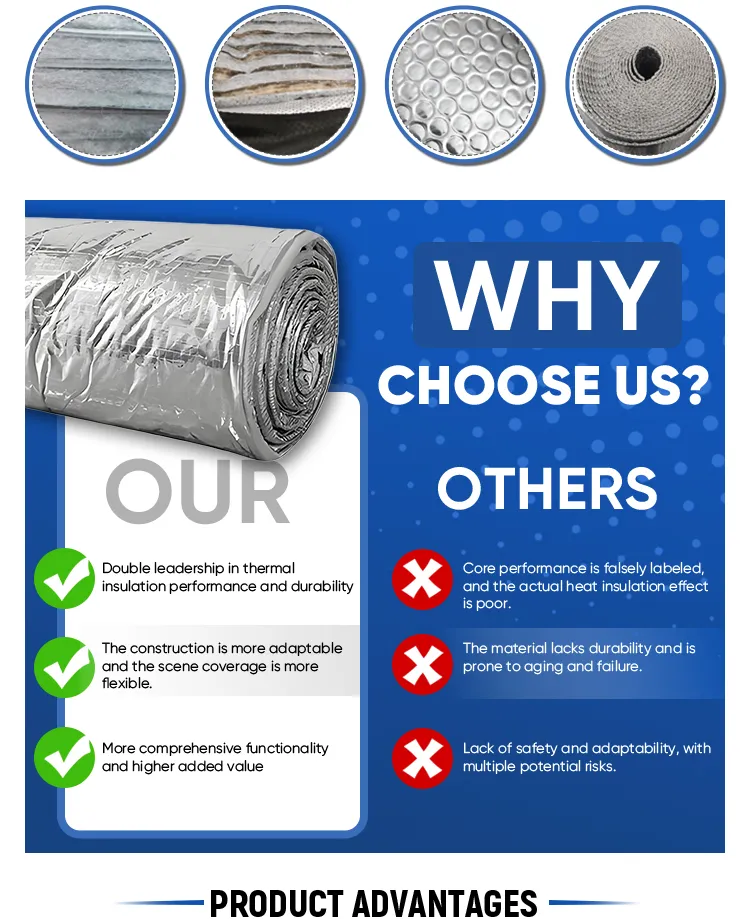
Easy Retrofit Retrofit Insulation Multi-Layer Insulation for Existing Homes

Still deciding? Get samples of $ !
Request Sample

Product Description

📋

Basic Information

Material Multi Foil
Style Industrial
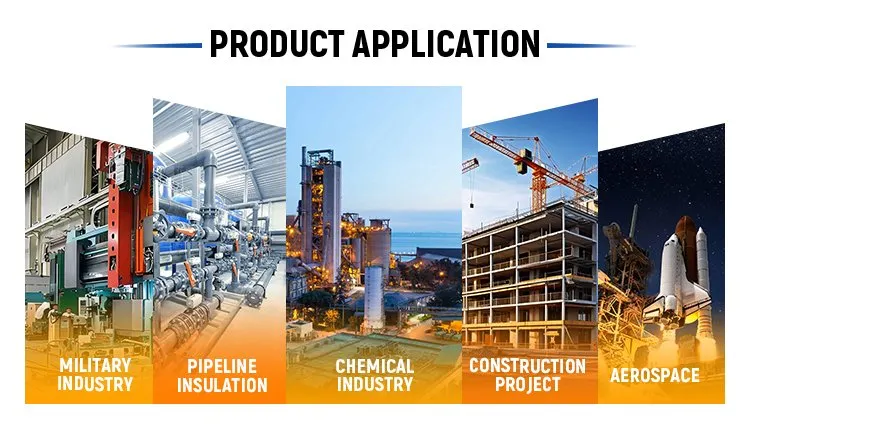
Application Roof, Hotel, Apartment, Office Building
SD Value 0.15
Thermal Conductive 0.03
HS Code 5601290090
Production Capacity 2,000,000
Multi-Layer Insulation
🛠️

Product Description

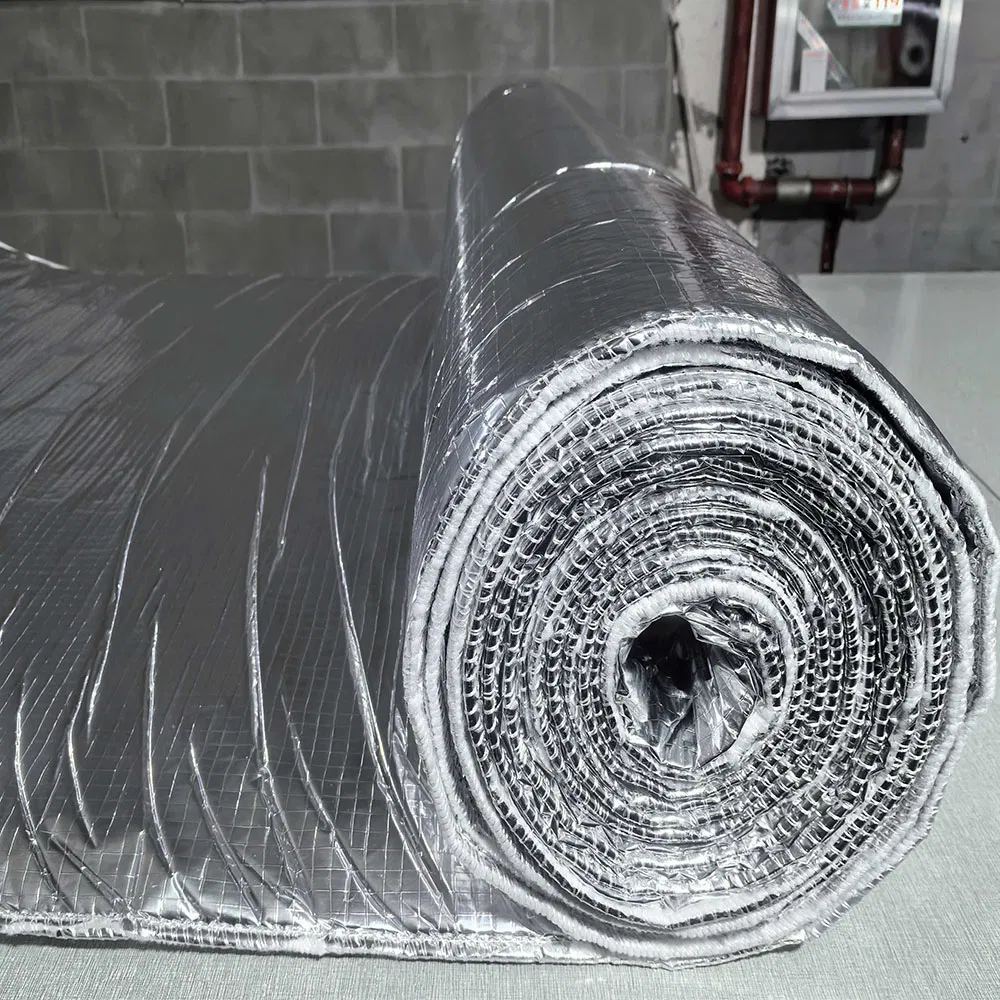
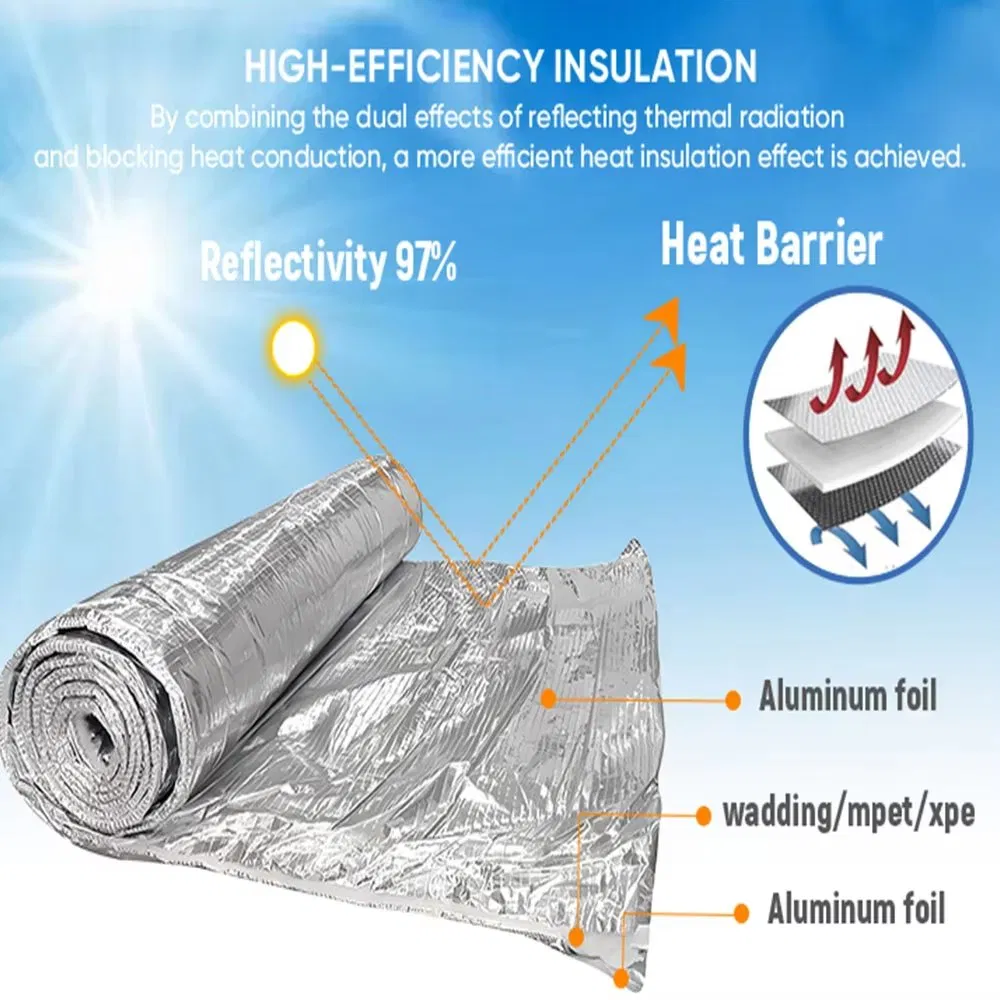
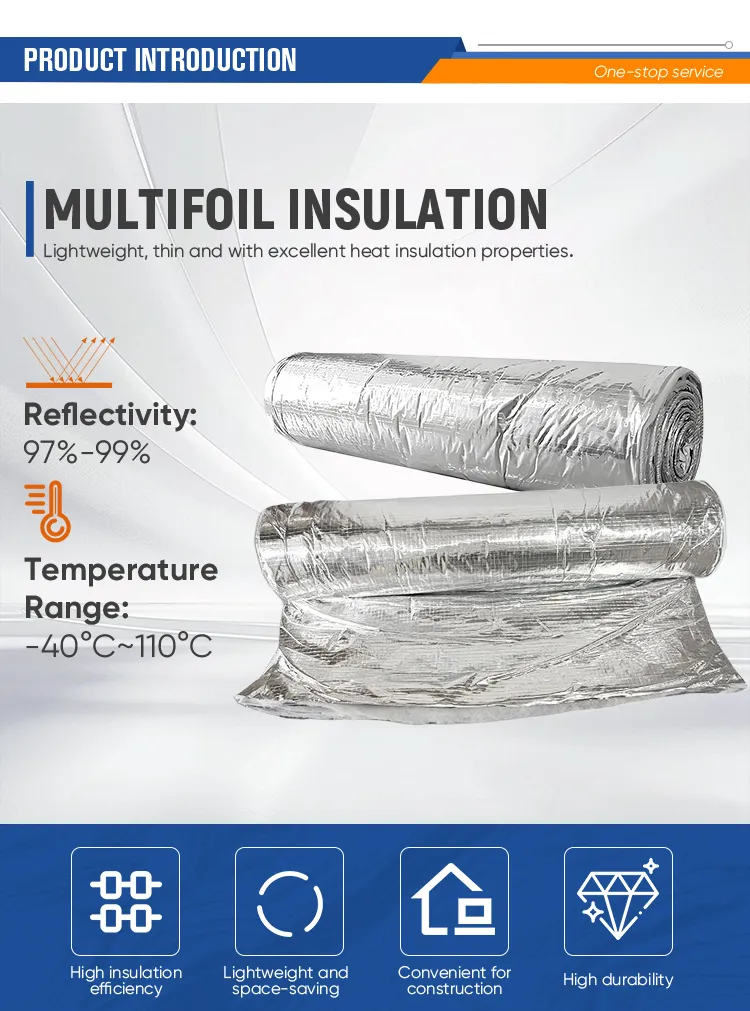
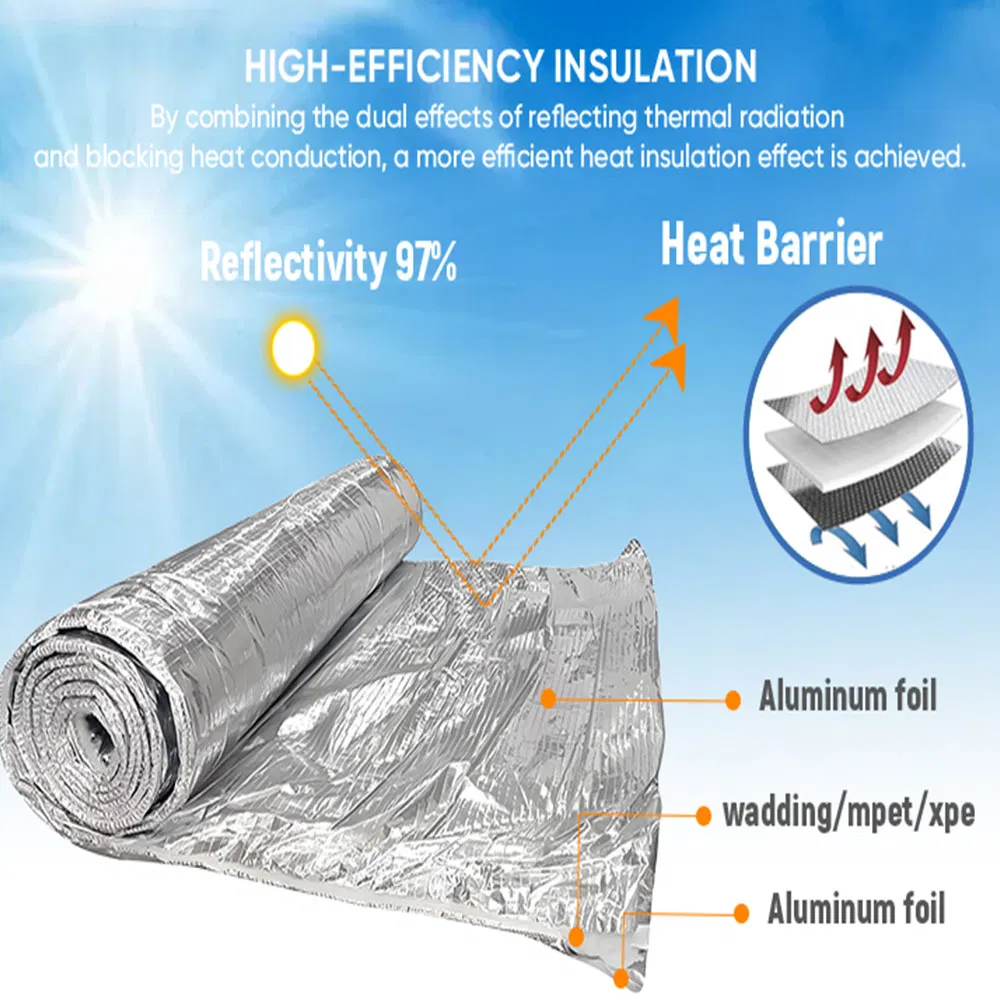
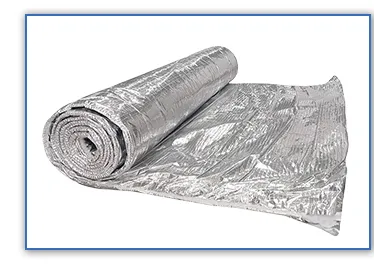
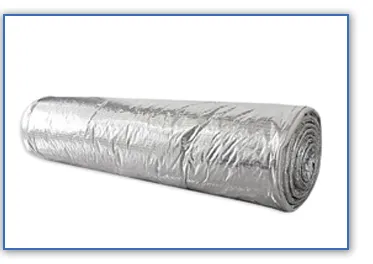
Retrofit Insulation Detail Insulation Materials Multi-layer Structure
✨ High Insulation Efficiency

By using multi-layer reflective foil to reflect thermal radiation, and combining with an intermediate insulating core material to block heat conduction.

📦 Lightweight and Space-saving

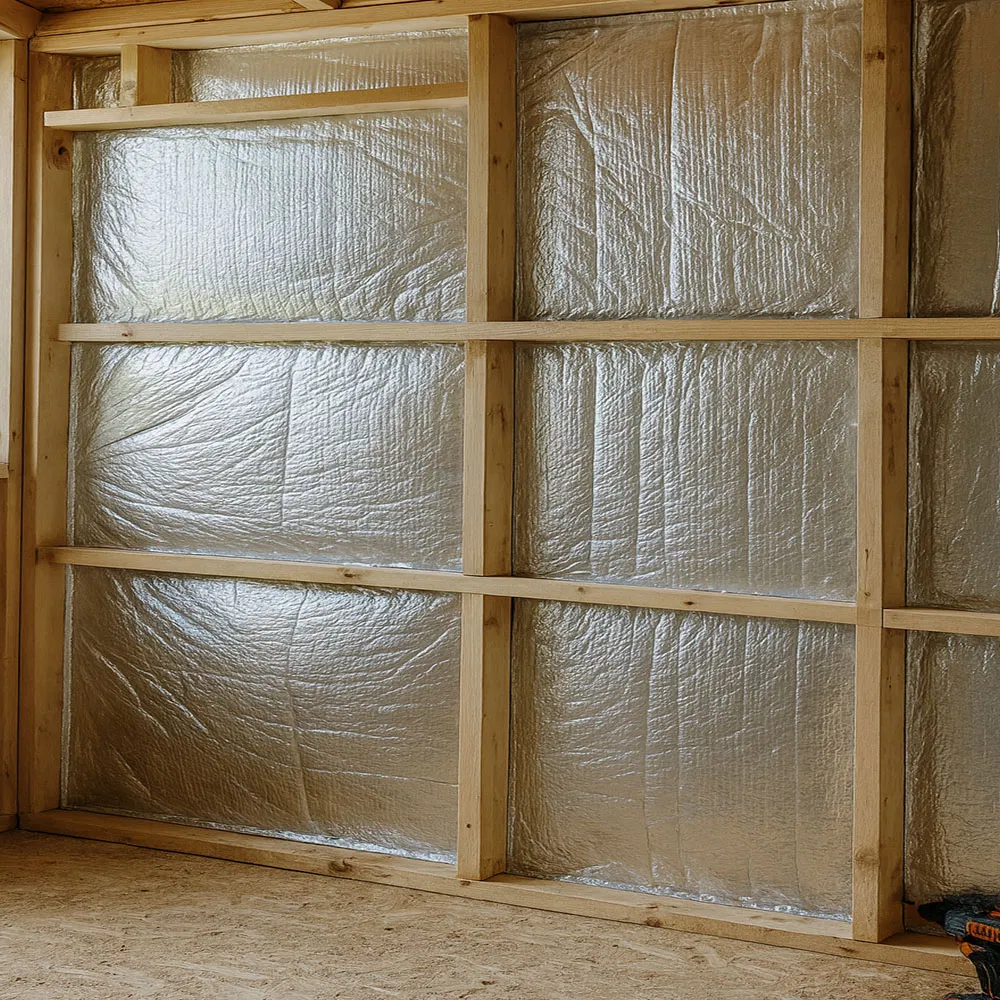
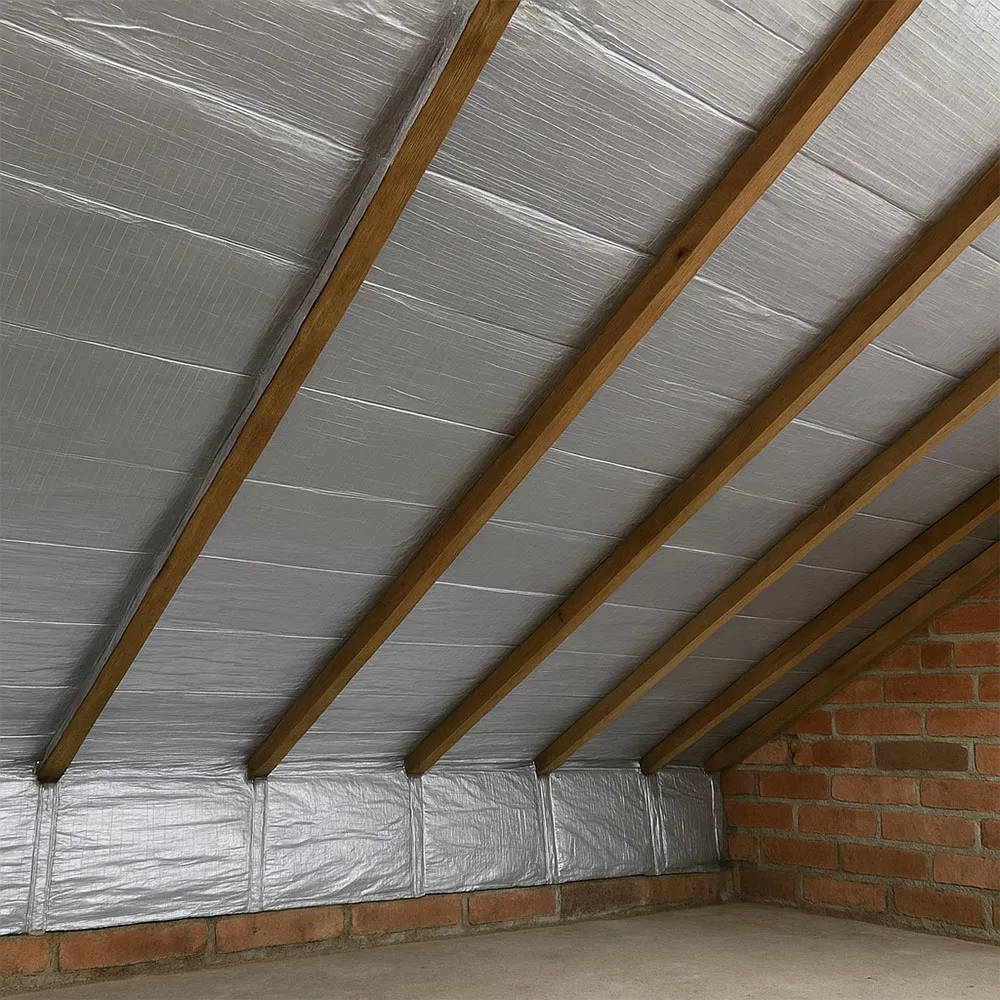
The thickness is much thinner than that of traditional insulation materials. It significantly saves installation space, particularly suitable for roofs, walls, and ship compartments.
Installation Case 1
Installation Case 2
📊

Technical Specifications

Item 19-Layer Multi Foil Insulation
Structure Alu foil / metallized PET skins; polyester wadding; LDPE foam; PP non-woven
Declared Emissivity e ≤ 0.05
Operating Temp −40 to +80 °C
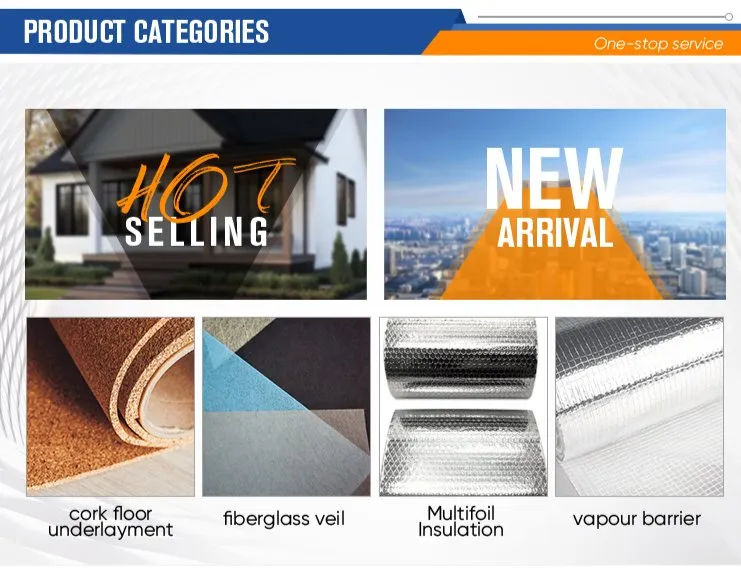
Material Type Heat Insulation Materials
Product Variation Insulation Application
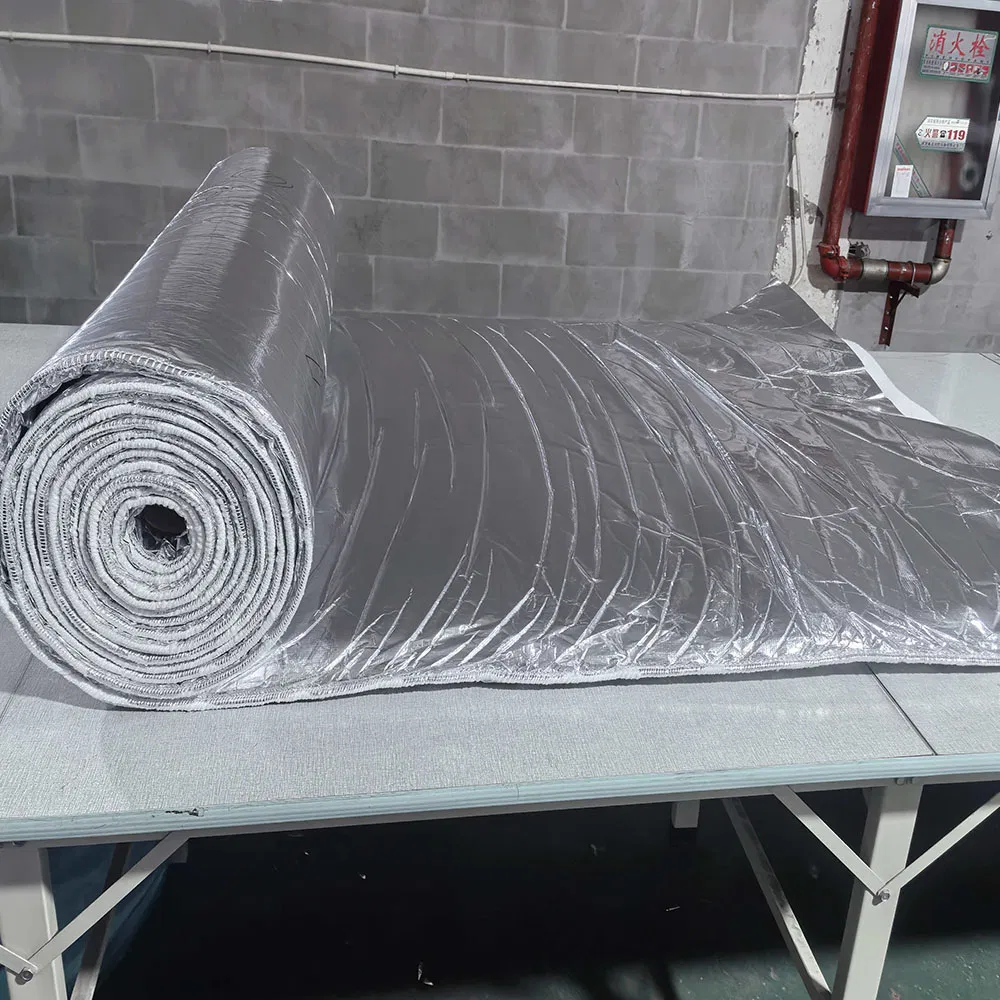
Full Product View Quality Control

Frequently Asked Questions

What is Multi foil Insulation?
Multi foil insulation is a high-performance reflective insulation made from multiple layers of aluminium foil, metal-coated film, foams, and non-woven materials. It reduces heat transfer through reflection and thermal resistance.
How does Multi foil Insulation work?
It works by reflecting radiant heat back into the building while reducing convection and conduction. Its layered structure creates enclosed air spaces that trap heat and improve thermal resistance (R-value).
What are the main advantages of this material?
Key advantages include high thermal efficiency, lightweight flexibility, vapor control, and reduced condensation risk. It is significantly thinner than traditional insulation, making it ideal for retrofit projects.
Where can Multi foil Insulation be installed?
It can be installed in pitched roofs, flat roofs, timber frames, loft conversions, walls, and floors for residential, commercial, and industrial sectors.
Is it waterproof or breathable?
There are two types: vapor barrier (non-breathable) and breathable (vapour-open). Vapor barriers are typically used for internal insulation, while breathable types are used for external roofing.
How thick is the insulation and what R-value can it achieve?
Thickness typically ranges from 25 mm to 50 mm depending on layers (9 to 25 layers). R-values generally vary between 1.5 m²K/W to 3.0 m²K/W depending on the installation method.

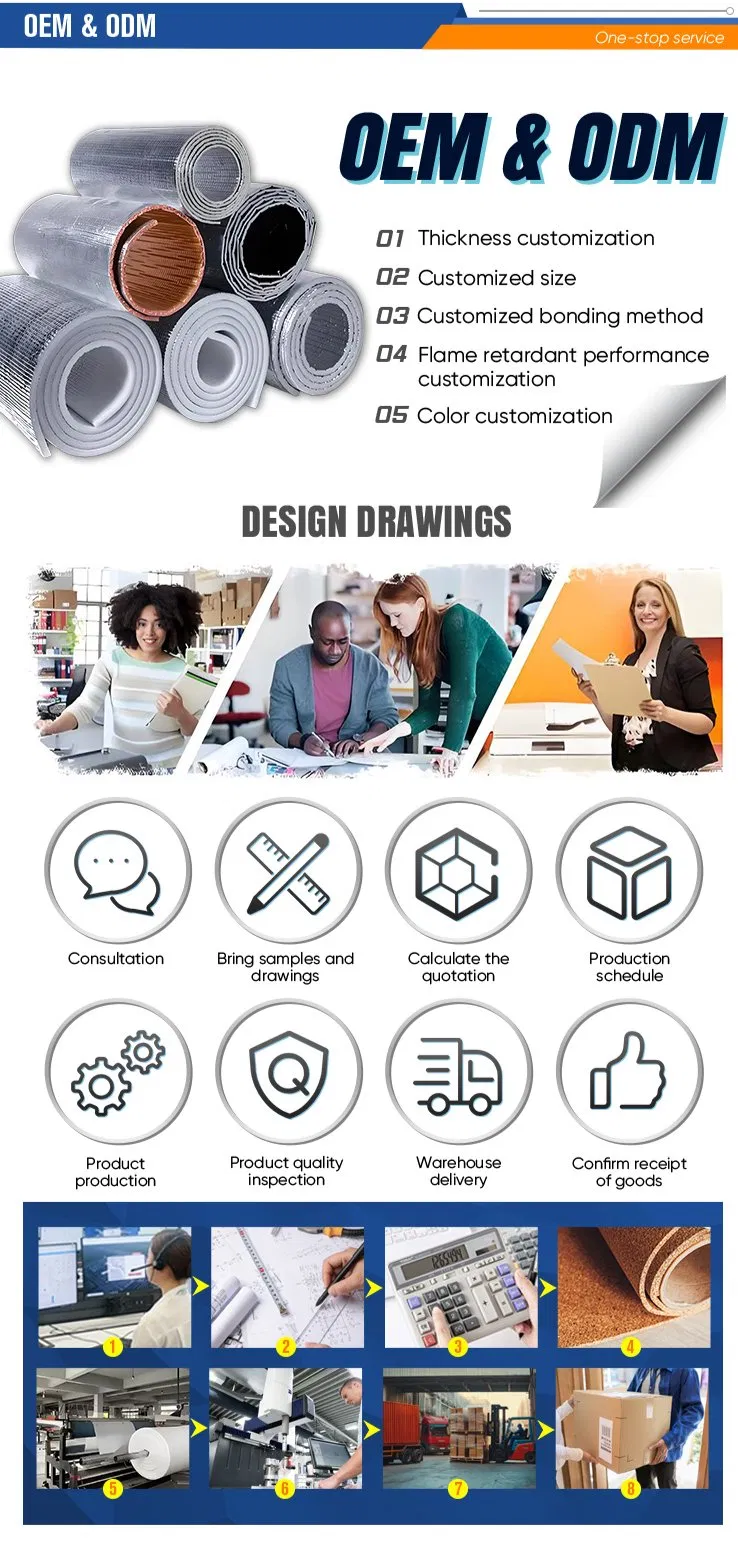
Related Products