7 Tips for Choosing Activewear Sets for Home Workouts?

Time:2026-10-07 Author:Charlotte
0%

Home workouts are no longer a backup plan. They are part of many people’s weekly routine, from quiet morning yoga to demanding strength sessions in small living rooms. The ACSM Worldwide Survey of Fitness Trends 2024 placed wearable technology and mobile exercise applications among leading fitness trends. That shift matters because clothing must support movement, comfort, and consistent training at home.

So, how do you answer “How to pick activewear sets for home workouts?” Start with the workout itself. A soft, flexible set may suit Pilates, while squat-proof fabric and a stable waistband matter more during strength training. For jumping exercises, test whether the top stays secure when your arms move overhead. For slow sessions, check whether seams rub when you kneel or stretch.

Small details matter.

Industry research also supports this practical approach. The McKinsey Sporting Goods reports describe consumers seeking versatile products that work across activities and daily life. However, versatility should not become an excuse for weak construction. A fashionable set can still feel restrictive after twenty minutes. I have found that fabric recovery, breathable panels, and pocket placement often matter more than attractive colorways.

Look for clear fiber information, reliable stitching, and care instructions. The OEKO-TEX Standard 100 can help shoppers identify textiles tested for harmful substances, although certification does not guarantee perfect performance. That distinction is easy to miss. This guide, “7 Tips for Choosing Activewear Sets for Home Workouts,” will examine fit, fabric, support, durability, and value. Some recommendations may need adjustment for different bodies, climates, and training styles. That is the honest part. No single set works perfectly for everyone.
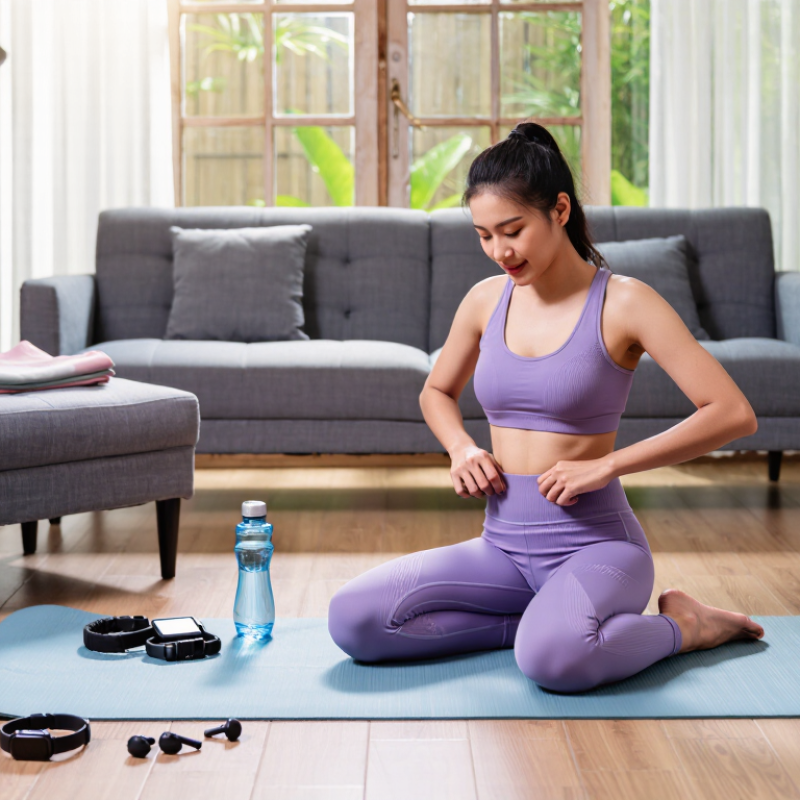
7 Tips for Choosing Activewear Sets for Home Workouts?

Define Your Home Workout Needs and Movement Style

Choosing an activewear set begins with your actual home workout needs. A quiet yoga session requires soft stretch, gentle seams, and fabric that stays opaque during deep bends. High-intensity intervals demand secure support, quick-drying material, and a waistband that does not roll. Strength training needs durability around the hips, knees, and shoulders. Think about your floor, too. A slippery surface can make constant waistband adjustments especially distracting. Define your routine before judging the outfit.

Your movement style also reveals the right fit. Raise both arms, perform a slow squat, and rotate your torso. Watch for pulling across the back or exposed skin at the waist. For dance or mobility exercises, choose flexible fabric that follows wide movements without resistance. For home cycling or bodyweight training, check whether seams press into your skin while sitting or kneeling. Test it carefully. I once selected a loose top because it felt comfortable while standing. During overhead movements, it covered my face and became irritating. That mistake reminded me that comfort must survive motion, not just the fitting moment. If you sweat heavily, examine drying speed and ventilation near the back and underarms. If your sessions are short, extreme technical features may be unnecessary. Your clothing should support the workout, not compete with it.

Choose Fabrics That Balance Comfort, Stretch, and Breathability

7 Tips for Choosing Activewear Sets for Home Workouts

Tip 1: Check the fabric blend. Polyester or nylon usually dries faster than cotton during sweaty sessions. However, cotton can feel softer during low-impact workouts. Tip 2: Look for four-way stretch. It should move with squats, lunges, and overhead reaches without pulling at the waist. Tip 3: Test breathability near the chest and back. Mesh panels can help, but overly open mesh may feel drafty.

Tip 4: Do not trust “moisture-wicking” alone. It describes sweat movement, not guaranteed cooling. ISO 11092 evaluates thermal and evaporative resistance, giving manufacturers a more objective testing method. Tip 5: Consider fabric weight. Lightweight material may feel cooler, while medium-weight fabric often offers better coverage and support. In home workouts, I notice thick waistbands can trap heat quickly. That detail is easy to miss. Tip 6: Inspect seams and recovery. After stretching, the fabric should return without sagging. A poor recovery fit can create friction around the knees or hips.

Tip 7: Match the set to your room. The International Health, Racquet & Sportsclub Association reported strong continued interest in home fitness after the pandemic, but indoor temperatures vary widely. A breathable set may suit a warm apartment, while a layered option works better in a cool room. Textile Exchange’s 2024 Materials Market Report estimated global fiber production reached 124 million tonnes in 2023. Material choice affects comfort, performance, and environmental pressure. I would still question every sustainability claim. Look for clear fiber details, test information, and care instructions.

7 Tips for Choosing Activewear Sets for Home Workouts: Choose Fabrics That Balance Comfort, Stretch, and Breathability

A practical fabric and design guide for comfortable, flexible, and breathable home training.

Tip What to Check Recommended Fabric or Feature Why It Matters at Home Best-Suited Workouts
1. Prioritize Moisture Management Look for moisture-wicking construction and a smooth, quick-drying surface. Polyester or nylon blends with moisture-wicking finishes; mesh panels can improve airflow. Helps move perspiration away from the skin during intense sessions and reduces the feeling of damp fabric. HIIT, cardio circuits, dance workouts, and indoor cycling.
2. Choose Useful Stretch Check that the garment stretches in multiple directions without becoming transparent or losing its shape. A fabric blend containing elastane or spandex, commonly around 5–20% depending on the garment. Allows a full range of motion for squats, lunges, floor exercises, and overhead movements. Yoga, Pilates, mobility training, strength training, and stretching.
3. Balance Breathability and Coverage Assess fabric weight, knit openness, ventilation zones, and opacity under movement. Light-to-medium-weight performance knits with targeted mesh or perforated panels. Supports airflow while maintaining enough coverage for bending, stretching, and floor-based exercises. Warm-room workouts, cardio, barre, and dynamic yoga.
4. Test the Waistband and Support Check whether the waistband stays flat, feels secure, and does not restrict breathing or movement. Wide elastic waistbands, adjustable drawcords, and supportive but flexible construction. Reduces slipping, rolling, or readjustment when exercising on mats or moving between standing and floor positions. Bodyweight training, yoga, Pilates, and resistance workouts.
5. Inspect Seams and Chafing Risk Look for flat seams, smooth hems, covered elastic, and minimal bulky stitching. Flatlock seams or carefully positioned seams with soft, low-friction finishes. Improves comfort during repetitive movements and longer sessions, especially when the skin is damp. Running-in-place, cycling, circuit training, and extended mat workouts.
6. Match Fabric Weight to Room Conditions Consider indoor temperature, humidity, workout intensity, and whether you train near a fan or heater. Lightweight fabrics for hot conditions; medium-weight layers for cooler rooms; avoid excessive layering during intense exercise. Helps prevent overheating without leaving you uncomfortable during warm-up or rest periods. All home workouts, with fabric weight adjusted to the season and room temperature.
7. Consider Care and Shape Retention Review washing instructions and check whether the fabric keeps its stretch, color, and fit after repeated washing. Durable synthetic blends or responsibly designed natural-fiber blends with good recovery and easy-care instructions. Frequent home workouts require regular washing, so easy maintenance helps preserve comfort and performance. Daily training, mixed workout schedules, and capsule activewear wardrobes.
Quick selection rule: Choose fabric that feels soft against the skin, stretches without restriction, remains opaque during movement, and allows heat and moisture to escape. Fit, seam placement, and room conditions are just as important as fiber content.

Check Fit, Support, and Freedom of Movement

7 Tips for Choosing Activewear Sets for Home Workouts

Fit comes before fashion. Choose a set that stays flat at the waist during squats and does not twist during lunges. The 2024 ACSM Worldwide Survey ranked wearable technology first among fitness trends, reflecting more structured home training. Your clothing should support that consistency, not distract from it. Check the waistband while sitting, bending, and reaching overhead. A comfortable fit is useful evidence.

Support depends on impact. For jumping or fast cardio, look for firm, adjustable support and secure coverage. For yoga, mobility work, or strength training, softer support may allow deeper breathing. Test the top with arm circles. Check whether seams rub under the arms. Then inspect the fabric after stretching. It should recover without becoming transparent. Small details matter.

Freedom of movement needs practical testing. Perform five squats, a reverse lunge, and a floor transition before buying. The World Health Organization recommends 150–300 minutes of moderate activity weekly, so repeated comfort matters more than a perfect first impression. Choose breathable fabric, flat seams, and pockets that do not bounce. I still get this wrong sometimes. A set can feel soft but restrict the hips. Try a larger size, compare two cuts, and notice pressure points after ten minutes. Personal fit beats confident marketing claims.

Match Activewear Features to Your Home Exercise Space

7 Tips for Choosing Activewear Sets for Home Workouts

Match Activewear Features to Your Home Exercise Space

Your room should guide your activewear choice. A compact bedroom needs flexible pieces that support squats, lunges, and floor stretches. Choose four-way stretch fabric, a secure waistband, and seams that stay comfortable during repeated movement. I have found that overly loose tops catch on chair edges during fast exercises. That small problem can interrupt form.

Tip: Match support to the workout zone. For yoga beside a bed, soft fabric and low-friction seams may matter most. For jump training in a garage, select a supportive top and fabric that dries quickly. Check whether the material becomes transparent when stretched. Test it under bright indoor light before exercising.

A warm, poorly ventilated room requires breathable fabric and sweat management. Mesh panels can help, but rough edges may irritate skin during floor work. In a carpeted space, longer leggings can protect knees slightly, although they may collect lint. Keep the design simple around resistance bands and small equipment. Loose drawstrings can become annoying, or worse, distract you during movement.

Tip: Consider visibility and safety. Dark clothing can make alignment harder in dim rooms. Medium or lighter shades help you notice knee and hip positions. Still, I sometimes choose darker pieces because they show fewer sweat marks. That is practical, but it can hide moisture buildup. Wash activewear after heavy sessions, and replace stretched waistbands when they stop staying secure.

7 Tips for Choosing Activewear Sets for Home Workouts

Match activewear features to your home exercise space. The chart uses a practical 1–5 priority scale, where 5 indicates a feature is especially important for that workout environment.

Compare Durability, Care Requirements, and Overall Value

Choosing activewear sets for home workouts requires more than checking color and stretch. I test seams during squats, lunges, and floor exercises. Strong flat seams should lie smoothly without scratching. The fabric should recover after stretching, not remain loose around the knees. A supportive waistband matters too. It should stay in place without leaving deep marks.

Durability depends on fabric weight, stitching, and repeated washing. Hold the material toward a window and check for unwanted transparency. Examine the gusset and inner thighs, where friction causes early pilling. I once chose a very soft set that felt excellent on day one. It became misshapen after three washes. That judgment was wrong. A care label deserves close attention. Cold washing, mild detergent, and air drying usually protect elastic fibers better than hot cycles. Avoid fabric softener when possible. It can reduce moisture management.

Care requirements affect overall value. A cheaper set is not economical if it needs special washing or replacement within months. Estimate cost per wear instead of judging the original price alone. For example, a durable set worn twice weekly may outperform a delicate set used occasionally. Check whether the fabric dries quickly after a sweaty session. Slow-drying material can develop odors, even with careful washing. Also consider repairability. Loose stitching may be fixable, while damaged elastic usually is not. My own preference leans toward simple designs because fewer panels and decorations mean fewer failure points. Still, comfort changes with body shape, so an apparently reliable set may not suit everyone.

FAQS

How should I choose activewear for different home workouts?

Start with your routine, not the color. Yoga needs soft stretch and opaque fabric during deep bends. High-intensity workouts need secure support, quick drying, and a stable waistband. Strength training needs durable fabric around the hips, knees, and shoulders.

How can I test whether an activewear set fits properly?

Raise both arms, perform five squats, and rotate your torso. Check for pulling across your back or exposed skin at the waist. Sit, bend, and reach overhead. The waistband should stay flat.

What support level do I need?

Jumping and fast cardio usually require firm, adjustable support. Yoga and mobility work may feel better with softer support. Try arm circles and inspect the underarm seams. Small details matter.

How do I check freedom of movement before buying?

Perform a reverse lunge and move from standing to the floor. Notice pressure around your hips, knees, and shoulders. Flexible fabric should follow wide movements without resistance. Test it carefully.

What fabric features matter during sweaty workouts?

Look for breathable, quick-drying material near the back and underarms. Check whether the fabric remains opaque after stretching. Slow-drying fabric may develop odors, even after careful washing. This is easy to overlook.

How can I judge activewear durability?

Hold the fabric toward a window and inspect unwanted transparency. Examine the inner thighs and gusset for weak stitching or early pilling. The material should recover after stretching. It should not remain loose around the knees.

What care routine can protect activewear?

Cold washing, mild detergent, and air drying usually protect elastic fibers. Avoid fabric softener when possible. It may reduce moisture management. Read the care label closely.

How should I judge whether an activewear set offers good value?

Consider cost per wear, not only the original price. A durable set worn twice weekly may outperform a delicate set used occasionally. Simple designs can have fewer failure points. I once chose softness over durability and regretted it after three washes.

Conclusion

Choosing the right activewear set can make home workouts more comfortable, focused, and effective. If you are wondering, “How to pick activewear sets for home workouts?”, begin by identifying your exercise routine and movement style, whether it involves stretching, strength training, dance, or cardio. Select fabrics that offer a good balance of softness, stretch, moisture control, and breathability. A comfortable fit should provide reliable support without restricting movement, while secure waistbands and well-designed seams can improve confidence during exercise.

Your home environment also matters. Lightweight, flexible clothing may suit compact indoor spaces, while extra coverage or support could be helpful for workouts involving floor exercises or equipment. Finally, consider durability, washing instructions, color retention, and overall value rather than focusing only on appearance. The best set is one that remains comfortable, functional, easy to care for, and suitable for your regular workout habits.

Charlotte

Charlotte

Charlotte is a seasoned marketing professional with a deep understanding of the company's portfolio and a passion for elevating its presence in the market. With a keen eye for detail and a commitment to excellence, she ensures that our professional blog is regularly updated with insightful articles......