What Is the Best Fabric for Thermal Base Layers?

Time:2026-10-12 Author:Liam
0%

What are the best fabrics for thermal base layers? The answer depends on climate, activity, sweat levels, and personal comfort. A fabric that performs well during a winter hike may feel too warm indoors. Your base layer sits against the skin, so small differences can become obvious after several hours.

Merino wool remains a trusted choice for cold-weather wear. Its fine fibers feel soft, regulate warmth, and resist odors during repeated use. However, merino can dry slowly after heavy sweating and may require gentler washing. Synthetic fabrics, including polyester and polypropylene, usually dry faster. They can move moisture away from the skin during running, skiing, or physical work. Some blends add elastane for stretch and nylon for improved durability.

There is no perfect fabric.

Silk offers a lightweight, smooth feel, but it may wear faster under rough outer layers. Thick thermal fabrics can feel cozy at breakfast, then become uncomfortable on a steep climb. I have found that fabric weight, fit, and ventilation often matter as much as fiber type. A loose base layer may trap less warmth, while an overly tight one can feel clammy. Check the garment label, washing instructions, and real-world reviews before buying. Independent textile guidance can help, but personal testing still matters. Start with your usual conditions: freezing commutes, damp trails, or heated indoor spaces. The best choice should keep your skin reasonably dry, retain useful warmth, and remain comfortable throughout the day.
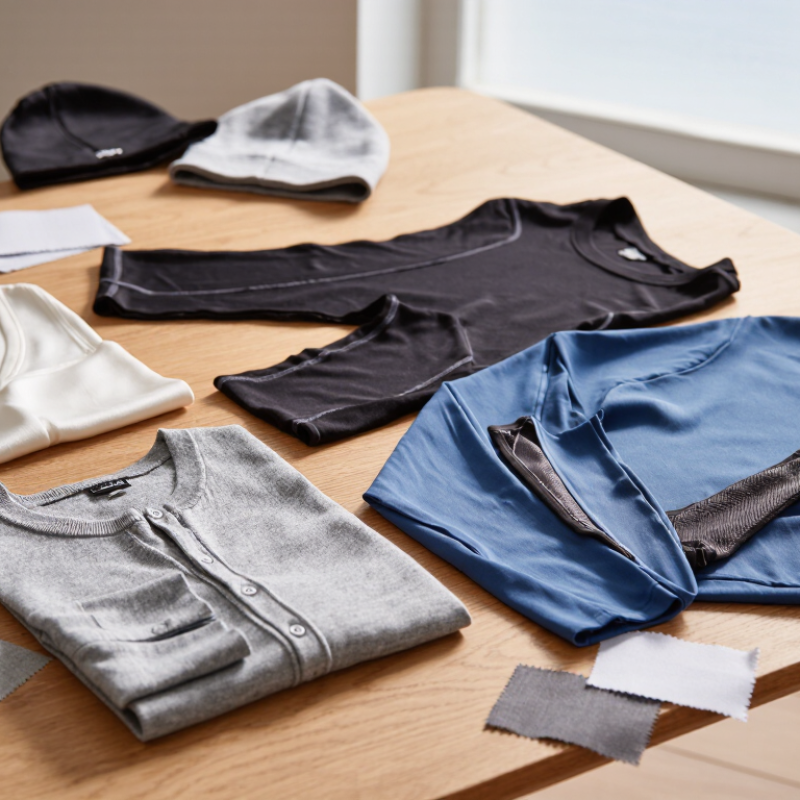
What Is the Best Fabric for Thermal Base Layers?

What Makes a Fabric Effective for Thermal Base Layers?

What makes a fabric effective for thermal base layers? It must manage moisture, retain warmth, and feel comfortable during movement. A warm fabric can still perform poorly if sweat remains against the skin. Dampness quickly creates a cold, clammy feeling. Effective fibers move moisture away from the body or absorb it without feeling saturated.

Wool fibers provide natural insulation through their crimped structure. They can also reduce odor during repeated wear. However, wool may feel scratchy for sensitive skin and can dry slowly. Synthetic fibers usually dry faster and resist abrasion. Their weakness is odor retention after demanding activity. Blended fabrics often balance these differences, although the result depends on fiber quality and construction.

Fabric weight matters, but it is not everything. A lightweight, breathable layer can work well during hiking or indoor training. A denser fabric may suit cold, low-intensity activities. Flat seams and a close fit also prevent friction and heat loss. From practical testing, I have found that moisture control often matters more than maximum thickness. My earlier assumption was different. I once chose the warmest fabric available and overheated within minutes. The better choice depends on activity level, weather, washing habits, and personal skin sensitivity. A fabric that works beautifully on a frosty walk may feel uncomfortable during a fast climb.

What Is the Best Fabric for Thermal Base Layers?

What Makes a Fabric Effective for Thermal Base Layers?

Typical moisture regain values at standard textile testing conditions. Lower moisture regain generally supports faster drying, while wool can absorb more moisture vapor and still feel relatively warm.

Moisture Management

Synthetic fibers with very low moisture regain dry quickly and help move liquid sweat away from the skin.

Warmth and Comfort

Warmth depends on fabric thickness, loft, fit, and trapped air—not fiber type alone.

Best Practical Choice

Fine wool is valued for temperature regulation, while polypropylene and polyester are strong choices for fast-drying active use.

How Merino Wool Regulates Temperature and Moisture

What Is the Best Fabric for Thermal Base Layers?

Merino wool regulates temperature through its fiber structure, not through a coating or battery-like technology. Each fine fiber contains natural crimp, creating small air pockets near the skin. These pockets slow heat loss in cold conditions and reduce cling during movement. The International Wool Textile Organisation reports that wool can absorb up to 30% of its weight in water vapor. This matters when sweat begins as vapor rather than liquid. Merino can hold that moisture while still feeling comparatively dry.

I used to think moisture control meant drying as fast as possible. That assumption was incomplete. During a winter hike, a damp base layer may still feel comfortable if it manages vapor evenly. Wool also releases a small amount of heat while absorbing moisture, according to technical explanations published by the IWTO. However, saturated wool dries more slowly than many synthetic fabrics. That weakness matters during repeated high-output activity. Textile Exchange’s 2024 Materials Market Report places wool at roughly 1% of global fiber production, showing its specialized position rather than proving universal superiority. Fit changes performance too. A loose layer loses contact; an overly tight one feels clammy. Merino works best when its fabric weight, knit density, and drying needs match the activity. It is excellent, sometimes. Not always.

How Synthetic Fabrics Perform in Cold and Active Conditions

What Is the Best Fabric for Thermal Base Layers?

Synthetic fabrics often perform well during cold, active conditions because they move sweat away from the skin. Polyester and nylon dry quickly, even after a steep climb or a hard training session. This matters because damp clothing can chill the body when movement slows. In my experience, a close-fitting synthetic layer feels more reliable under a shell. It reduces clamminess without adding much weight. However, synthetic fabric can hold body odors, especially after repeated use. That limitation is easy to overlook. Fabric quality, knit structure, and fit also affect performance. A loose base layer may trap less warmth, despite using an excellent material.

Tips: Choose a smooth, snug layer for high-output activities. Look for flat seams around the shoulders and waist. They reduce rubbing beneath backpacks or equipment. For very cold weather, select a slightly thicker synthetic knit. During intense activity, a lighter version may prevent overheating. Wash the garment according to its care label, and dry it fully before storage. Do not assume the thickest fabric is best.

Synthetic layers are practical for variable weather because they dry faster than many natural fibers. They also remain reasonably warm when slightly damp. Still, performance depends on ventilation, sweat rate, and wind protection. I would test a new layer during a short outing first. Personal comfort can challenge general advice. Some users may prefer a blended fabric for odor control and softness. There is no perfect base layer for every body or climate.

What Is the Best Fabric for Thermal Base Layers? How Synthetic Fabrics Perform in Cold and Active Conditions
Fabric Type Typical Moisture Regain Warmth-to-Weight Potential Moisture Transport Drying Speed Cold-and-Active Performance Main Limitations Most Suitable Use
Polypropylene Very low, typically below 0.1% High High when the fabric is knitted with an effective wicking structure Very fast Excellent for high-output activities in cold weather because the fiber absorbs very little water and remains relatively light when damp. Can retain body odor; lower resistance to ultraviolet exposure and high heat than many other apparel fibers. High-intensity skiing, running, climbing, and expedition base layers where rapid drying is important.
Polyester Low, approximately 0.3–0.5% High High in engineered or hydrophilic knits; ordinary fabrics may feel wetter during heavy sweating Fast A versatile choice that balances low water absorption, durability, stretch options, and efficient moisture movement. May hold odor unless treated or blended with odor-resistant fibers; performance varies substantially with knit design and fabric weight. All-purpose winter training, hiking, snow sports, and everyday cold-weather layering.
Nylon / Polyamide Moderate, approximately 3–5% Moderate to high Moderate to high, depending on yarn and fabric construction Moderate Strong, abrasion-resistant, and comfortable against the skin; useful when a base layer must tolerate frequent wear and movement. Absorbs more moisture than polypropylene or polyester and may take longer to dry in saturated conditions. Durable base layers, trekking, workwear, and activities involving backpack or harness abrasion.
Polyester–Elastane Blend Generally low; determined mainly by the polyester percentage High High when polyester provides most of the fabric structure Fast Provides close fit and freedom of movement while retaining the quick-drying behavior of polyester. Elastane can lose performance with prolonged exposure to high heat, chlorine, or harsh laundering; the blend may be less warm if made very thin. Stretch-fit ski layers, cycling, running, and technical activities requiring unrestricted movement.
Polypropylene–Polyester Blend Very low to low High High Very fast to fast Combines the minimal water absorption of polypropylene with the durability, dyeability, and broader design flexibility of polyester. Odor retention and heat sensitivity can still be concerns, especially when the polypropylene content is high. Cold-weather endurance sports and layered systems where low weight and rapid drying are priorities.
Synthetic Grid or Waffle Knit Depends on the fiber; commonly low when made from polyester or polypropylene High for its weight High due to channels that move vapor and create air space Fast The raised grid can improve air circulation, reduce contact moisture, and provide useful warmth without excessive bulk. Open structures may provide less wind protection and can snag more easily; warmth depends strongly on fabric thickness and fit. Active layering systems, winter hiking, ski touring, and stop-and-go outdoor activities.
How to interpret the data: Moisture regain refers to the approximate amount of water a fiber holds under standard atmospheric conditions. Actual warmth, wicking, and drying performance depend on fabric weight, knit structure, fit, surface treatment, ventilation, and weather. For most cold, high-output activities, lightweight polypropylene or polyester-based fabrics are usually the strongest synthetic options; a grid or waffle construction can add warmth and moisture management without excessive bulk.

When to Choose Silk, Cotton, or Blended Base Layers

What Is the Best Fabric for Thermal Base Layers?

When to Choose Silk, Cotton, or Blended Base Layers

Silk works well when you need warmth without bulky clothing. Its smooth fibers feel comfortable under a shirt or jacket. It also manages light moisture during commuting, travel, and gentle outdoor activity. However, silk can snag easily and needs careful washing. It is not my first choice for rough hiking or repeated high-sweat sessions.

Cotton feels familiar, soft, and breathable in mild weather. Choose it for relaxed walks, indoor work, or cool evenings with little exertion. The problem appears when cotton becomes wet. It holds moisture close to the skin and dries slowly.

I once underestimated this during a chilly morning walk. My shirt felt comfortable at first, then became cold and heavy. Blended fabrics often offer a more practical balance. Synthetic fibers can improve drying speed, stretch, and durability, while natural fibers add softness. The exact performance depends on the fiber ratio and fabric weight.

Tips: Match the layer to your activity. For skiing or strenuous hiking, avoid cotton next to your skin. For casual use, cotton may be perfectly adequate. Check the care label, and test the fit with your outer layers. A close fit helps moisture move away, but tight fabric can restrict movement. Silk suits delicate comfort. Blends suit changing conditions. No fabric wins every time.

How to Match Base Layer Fabrics With Weather and Activity

What Is the Best Fabric for Thermal Base Layers?

How to Match Base Layer Fabrics With Weather and Activity

The best fabric depends on weather, movement, and how easily you overheat. Merino wool suits cold, dry hikes because it manages moisture and resists odors. It also feels warm when slightly damp. However, wet wool dries slowly during long, high-output activities.

Polyester and polypropylene dry faster, making them practical for running, skiing, and strenuous work. Their weakness is odor retention. Nylon blends add durability, while elastane improves movement and fit.

Match fabric weight to conditions, not just the temperature forecast. A lightweight synthetic layer works well under a shell during active winter travel. Choose a medium-weight wool blend for steady walking in freezing air. For stop-and-go activity, a breathable fabric may prevent sweat from chilling your back later.

Fit matters too. A base layer should touch the skin without restricting your shoulders or hips. Loose fabric can create cold gaps. Very tight fabric may hold dampness against the skin.

Tips:

Test your layer indoors before a long outing. Move, bend, and raise your arms. Check whether the fabric dries within a reasonable time after exertion.

I sometimes choose warmth over breathability and regret it on steep climbs. That mistake taught me to carry a lighter backup layer. Wash instructions also matter, since harsh heat can damage stretch fibers and shrink wool. A small fabric test can reveal more than a confident product label.

FAQS

What should a thermal base-layer fabric do?

It should manage moisture, retain warmth, and feel comfortable during movement. Damp fabric can quickly feel cold and clammy.

Is the thickest fabric always the warmest choice?

Not always. Fabric weight matters, but breathability often matters more during active movement. I once chose maximum warmth and overheated within minutes.

When is wool a useful base-layer material?

Wool provides natural insulation through its crimped fibers. It stays warm when slightly damp and can reduce odor during repeated wear. However, it may feel scratchy and dry slowly.

When should synthetic fabric be considered?

Synthetic fibers dry quickly and resist abrasion. They suit running, skiing, strenuous work, and other high-sweat activities. Odor can remain after demanding use.

Is cotton suitable for thermal base layers?

Cotton works for relaxed walks, indoor work, and mild weather. Avoid it next to your skin during strenuous activity. Wet cotton holds moisture and dries slowly.

When is silk a practical choice?

Silk offers warmth without much bulk. Its smooth surface feels comfortable under other clothing. It suits commuting, travel, and gentle outdoor activity. It can snag easily.

Why can blended fabrics be useful?

Blends can combine softness, quick drying, stretch, and durability. Their results depend on fiber quality, fabric weight, and fiber ratio. Not every blend performs equally.

How should base-layer fabric match weather and activity?

Choose lightweight fabric for intense movement or layered winter travel. Medium-weight fabric suits steady walking in freezing air. Cold weather alone does not determine the best choice.

How should a base layer fit?

It should touch the skin without restricting movement. Loose fabric can create cold gaps. Very tight fabric may trap dampness. Raise your arms before leaving home.

How can someone test a base layer before a long outing?

Wear it indoors and move, bend, and raise your arms. Check comfort, shoulder movement, and drying speed after exertion. I sometimes choose warmth over breathability and regret it later.

Conclusion

What are the best fabrics for thermal base layers? The answer depends on how you balance warmth, moisture control, comfort, and activity level. Merino wool is highly effective because it helps regulate body temperature, absorbs moisture vapor, and resists odors while remaining comfortable in changing conditions. Synthetic fabrics, such as polyester or nylon, are lightweight, durable, quick-drying, and especially useful for high-intensity activities in cold weather. They can efficiently move sweat away from the skin, helping you stay dry during exercise.

Silk offers a soft, lightweight feel and works well for mild conditions or low-impact activities, but it may be less durable and insulating when wet. Cotton can feel comfortable in everyday use, yet it tends to retain moisture and is not ideal for cold, active environments. Blended fabrics combine different strengths, providing a practical balance of warmth, stretch, durability, and moisture management. Choose the fabric according to the weather, your activity level, and whether you prioritize softness, fast drying, or maximum insulation.

Liam

Liam

Liam is a dedicated marketing professional with a profound expertise in the industry, where he excels at highlighting the unique advantages of our core products. With a keen understanding of market trends and consumer needs, Liam frequently updates our company’s professional blog, providing......